
Not long after a tornado swept through Dexter years ago, it left behind an eerie landscape of toppled trees and broken branches along D-19. Toward the tail end of the cleanup, right by the entrance to the golf course, appeared what I can only describe as mountains of wood chips. Mounds and mounds, taller than me, spread out like some accidental landscaping project.

To me, it looked like the kind of thing the road commission was going to have to figure out how to deal with. And it was clearly a lot to deal with. I never would have pulled over on the side of the road and started scooping up wood chips if I hadn’t thought they were essentially free for the taking—more of a problem than a resource, just waiting to be moved.
So I did what any garden-loving, mulch-needing person might do. I grabbed Chris, a couple of shovels, and a giant tarp, loaded up the back of my old Volkswagen Beetle, and pulled over to make use of what looked like perfectly good, problem-solving material. We started shoveling with enthusiasm, assuming we were doing someone a favor.
That’s when a man came walking over from a house near the golf course. Calm, but clearly curious.
“What are you doing?” he asked.
I smiled and said, “Getting some wood chips.”
“Did you ask anyone if you could have those?”
My heart did a little hiccup. I suddenly wasn't so sure.
I paused, then said, “Yes. I asked this guy I met at Katie’s. He said it would be all right.”
The man squinted. “What was his name?”
I blurted, “Larry.”
He pointed his finger at me and said, “Larry. You said the right name.”
He let us finish loading the car. I have no idea if Larry existed. But to this day, I thank him—for his name and, indirectly, for the mulch our garden desperately needed.
Why We Use Wood Chips in the Garden Path (and Not Just for the Adventure)
That load of wood chips—along with the many we’ve collected since, from far less suspenseful sources—have become an essential part of our garden’s health and rhythm.
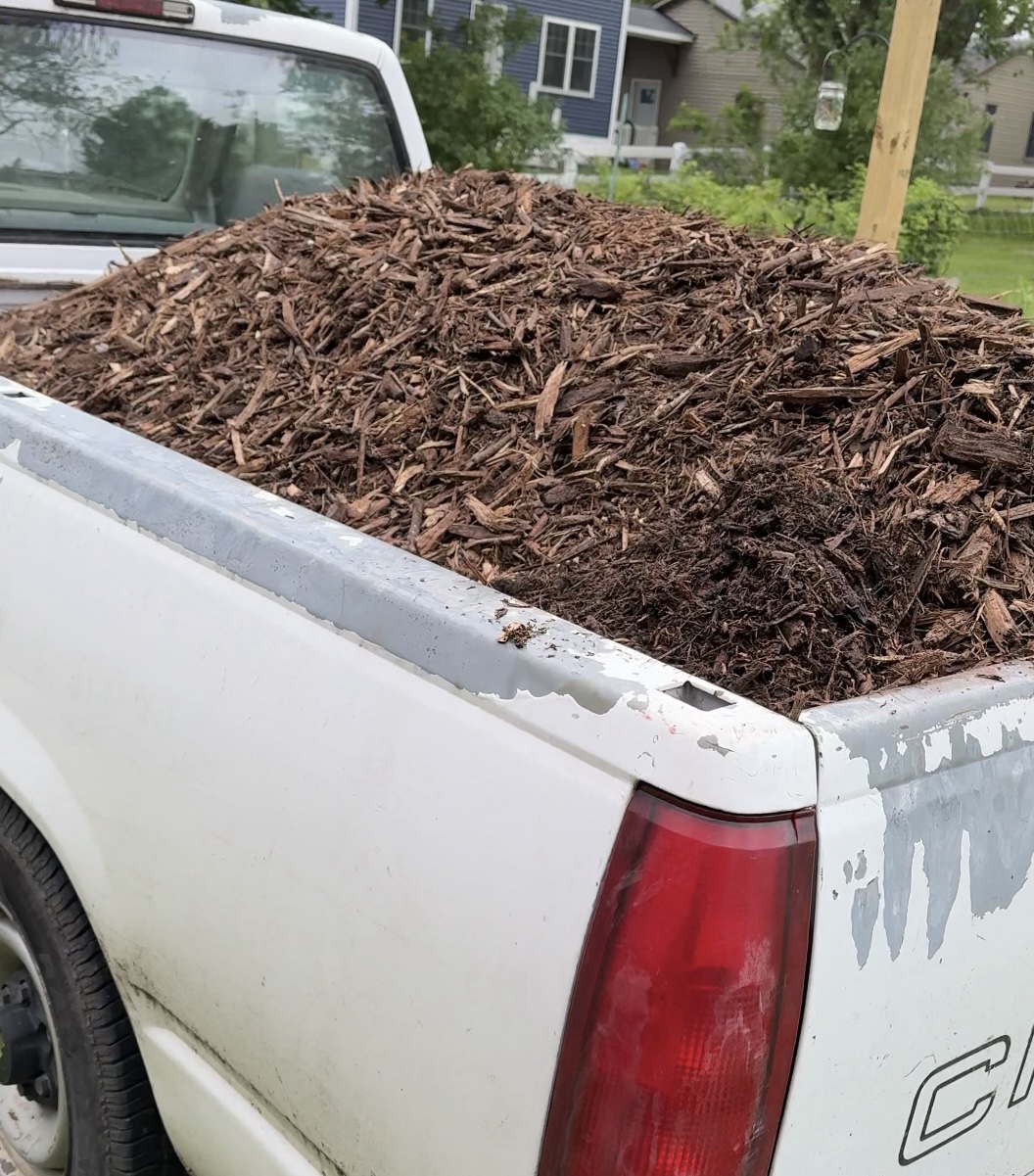
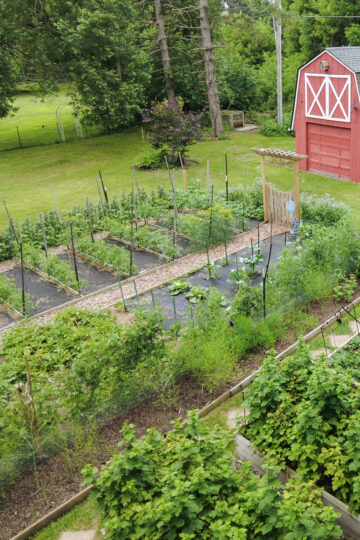
We lay down a fresh yard or so of wood chips on the garden path every couple of years. They give us a clean, weed-suppressing surface to walk on that also slowly breaks down over time. But the real magic happens below the surface.
After two or three years, what once looked like plain old wood chips has transformed into something rich, dark, and full of life. The top layer still resembles chips, but just underneath is what I call black gold: half-composted wood mixed with worm activity, fungal threads, and earthy goodness. It's no longer mulch—it’s soil food.
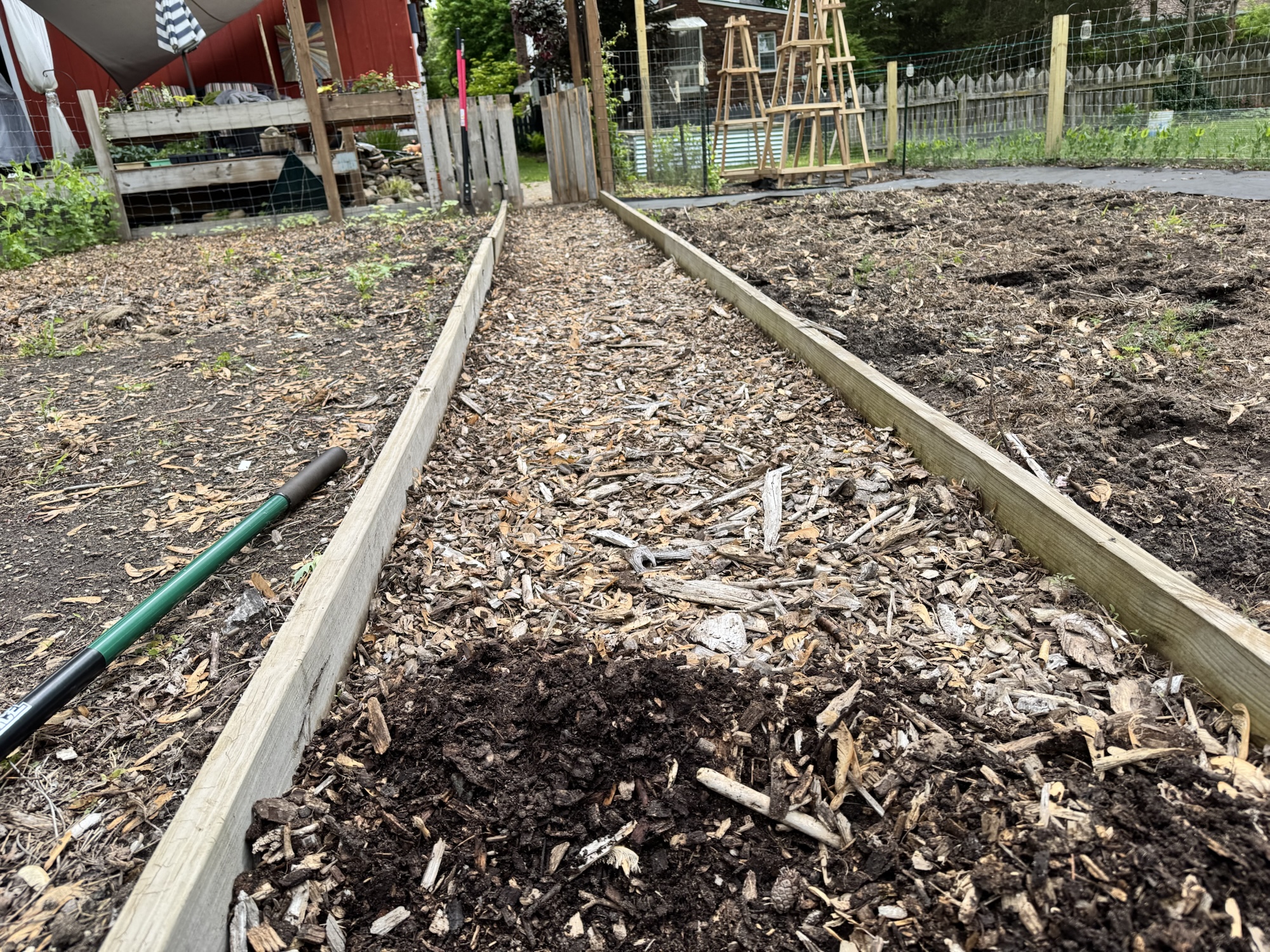
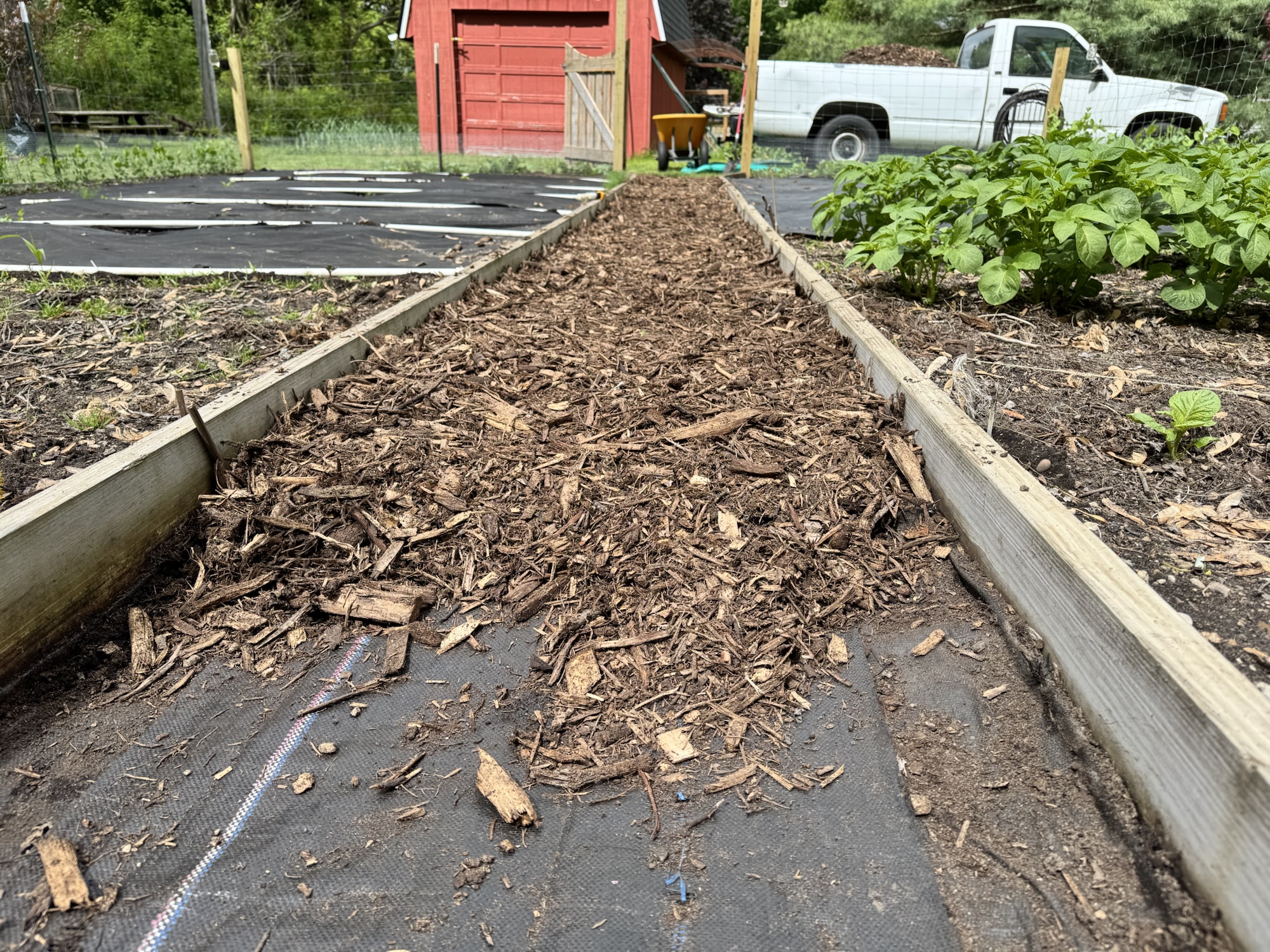
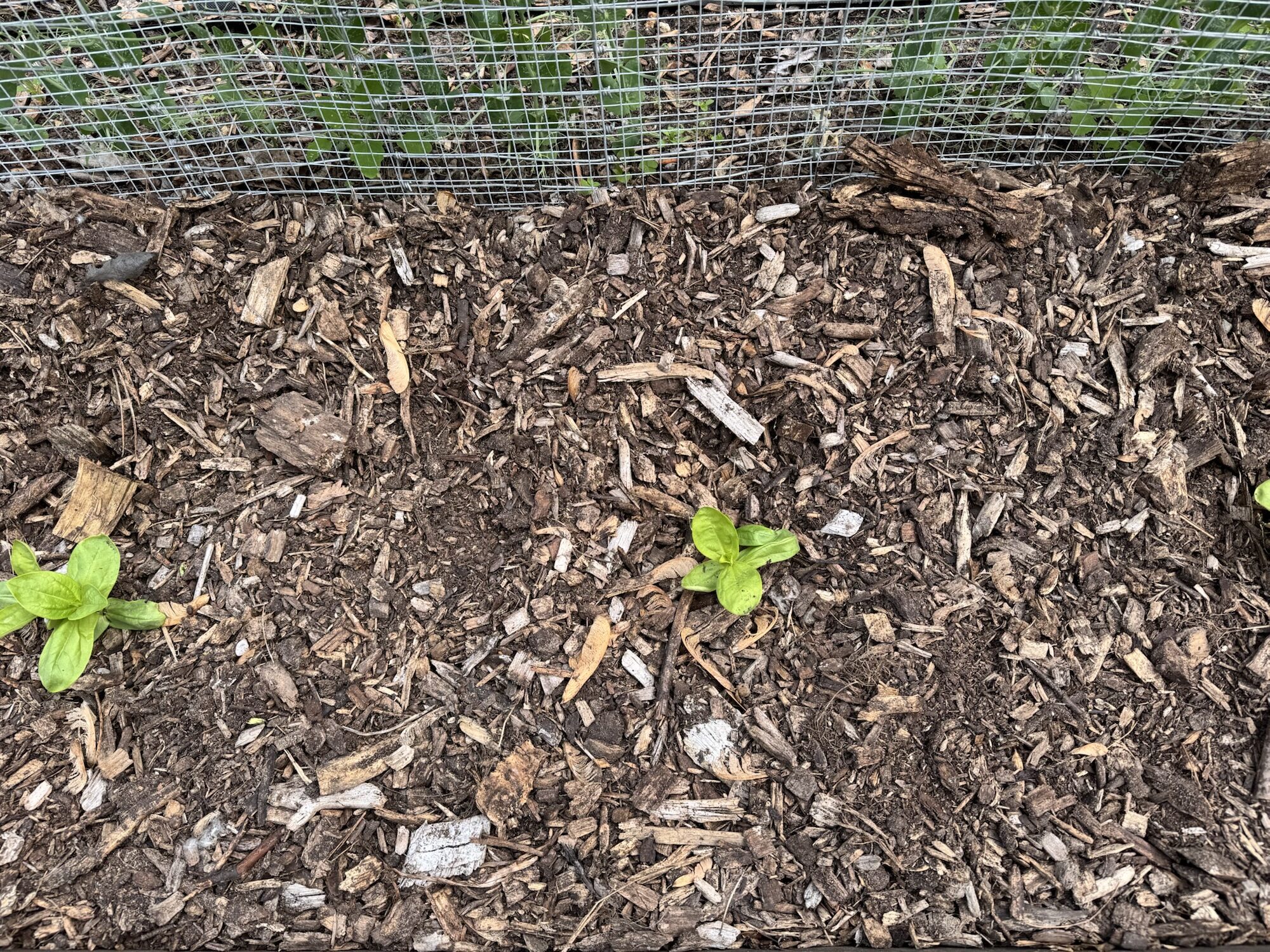
That’s when we scoop it all up and move it to our flower beds, raspberry patch, and anywhere else that could use moisture retention and a nutrient boost. It keeps our paths tidy and feeds our plants. Then, we top the path again with a new load of chips, and the slow alchemy begins again.
It’s a closed loop, low-effort, high-reward system.
A Final Note on Free Wood Chips
If you’re sourcing wood chips from public or semi-public piles, it’s always best to ask. These days, we get ours through local tree service companies or city mulch programs (like the fantastic $5/yard deal from Ann Arbor’s recycling center). Much less stress. No need for creative fiction. But the spirit is the same—reclaiming waste to build something beautiful and alive.
Another great option is ChipDrop, a service where you can sign up to receive free wood chips delivered right to your driveway by local arborists. It’s unpredictable—you don’t get to choose the exact timing or mix—but it’s an incredible resource if you’ve got the space and are ready to make good use of a big pile.
And if a stranger ever walks up and asks who said you could take those chips?
Just smile and say, “Larry.”


Kathy says
Larry.. he's a solid dude. Also, 'Fungal Threads' is the name of my new band.
Melanie says
We have wood chips on our paths too, but I never thought about transferring the mulch they create to the garden. Thanks to you and Larry!