
If there's one piece of gardening advice I feel compelled to pass along, it’s this: never leave your soil bare.
This principle is so central to how we grow things that we’ve built entire routines around it. Over the years, we’ve learned (sometimes the hard way) that exposed soil quickly turns into depleted, weed covered, pain in the ass soil. And nobody has time for that. Once you start to understand what’s happening beneath the surface, you’ll never look at bare dirt the same way again.
What Covering the Soil Really Does
There are some big-picture reasons to keep your garden covered, backed by science and nature:
- It locks in moisture – Covered soil holds water longer, saving both your plants and your water bill.
- It reduces weed pressure – No sun on the ground, no weed seedlings.
- It buffers temperature swings – In spring, a dark cover warms the soil. In summer, mulch keeps it cool.
- It feeds the soil – Organic materials like leaves and grass break down, becoming rich food for microbes and worms.
- It prevents erosion – Rain and wind don’t just compact soil, they steal it.
- It supports carbon sequestration – Covered soil releases less CO₂ into the atmosphere and stores more carbon underground.
How We Do It at The Savage Feast
We approach soil covering in a way that’s both structured and deeply seasonal.
1. Reusable Ground Cover with Purpose
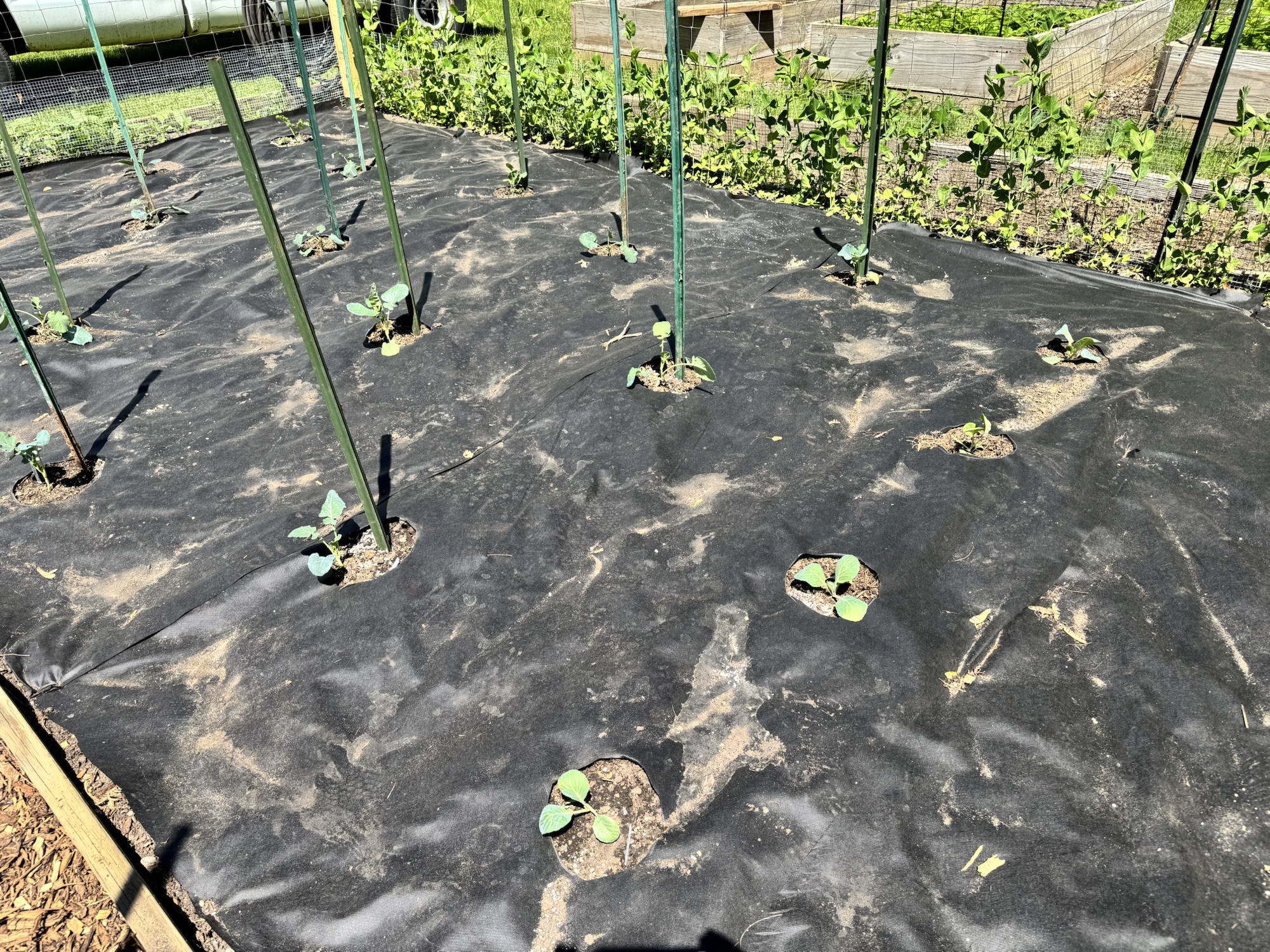
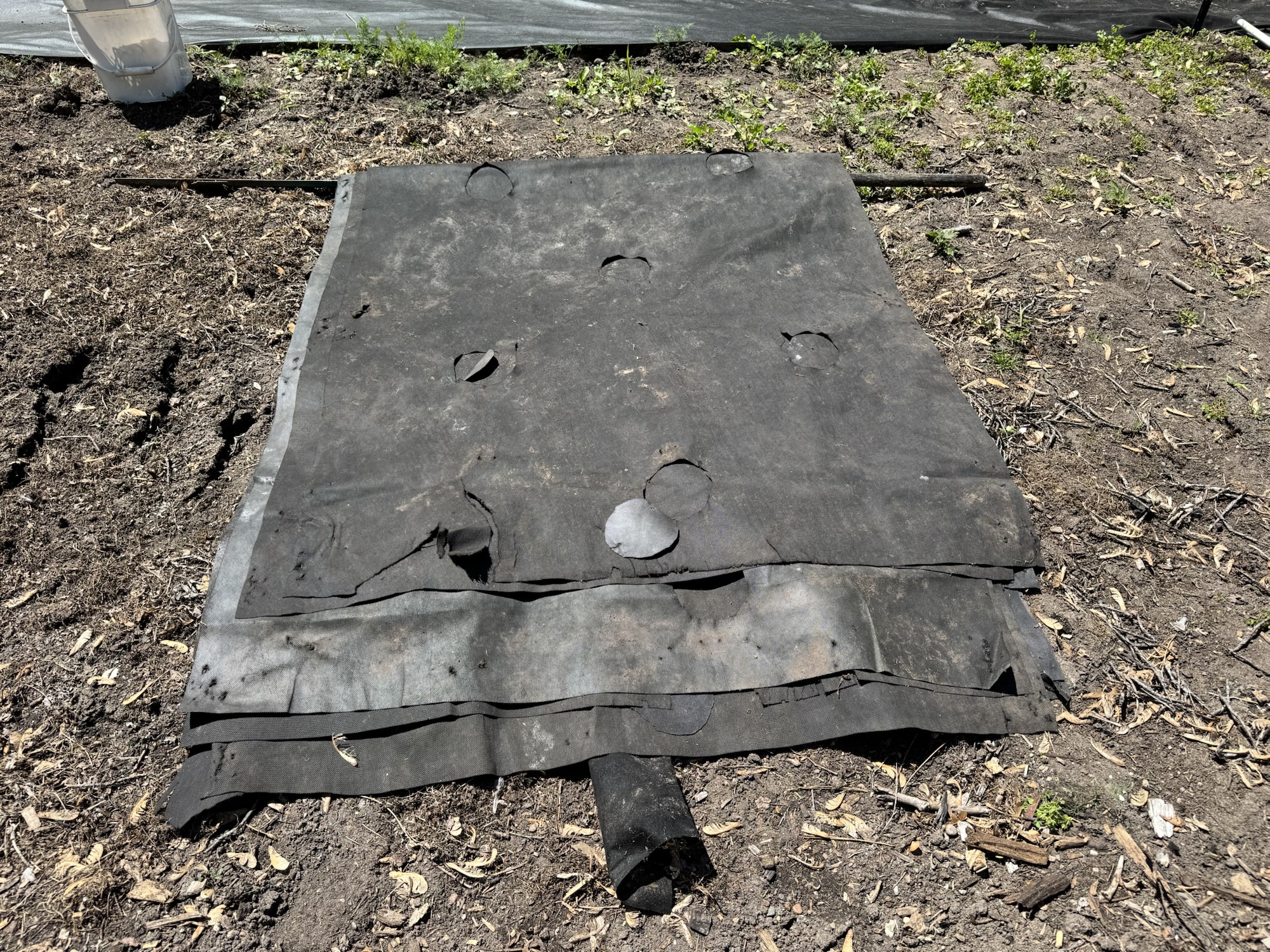
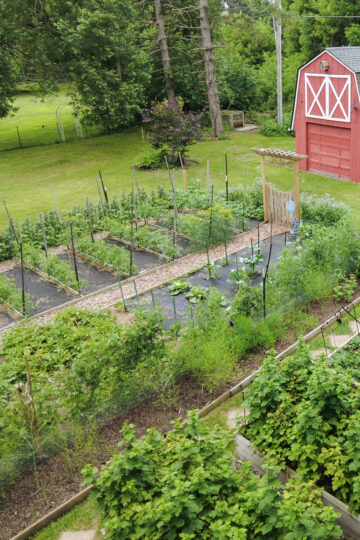
Every spring, we roll out our ground covers—these are sturdy fabric sheets with pre-cut holes. Over time, we’ve customized them for different crops. Jalapeños always go in a certain layout, so their ground cover has precisely spaced holes for planting. Each sheet is labeled, which makes replanting familiar crops like peppers much easier.
In the fall, we carefully pull them up, shake them out, and hang them in the shed a tucked in beside the lawn mower and tomato cages, all waiting for their next cue come spring.
Ground cover is excellent for weed suppression and warming the soil, but it doesn’t feed the garden. So we pair it with organic mulches.

2. Leaf and Grass Mulch
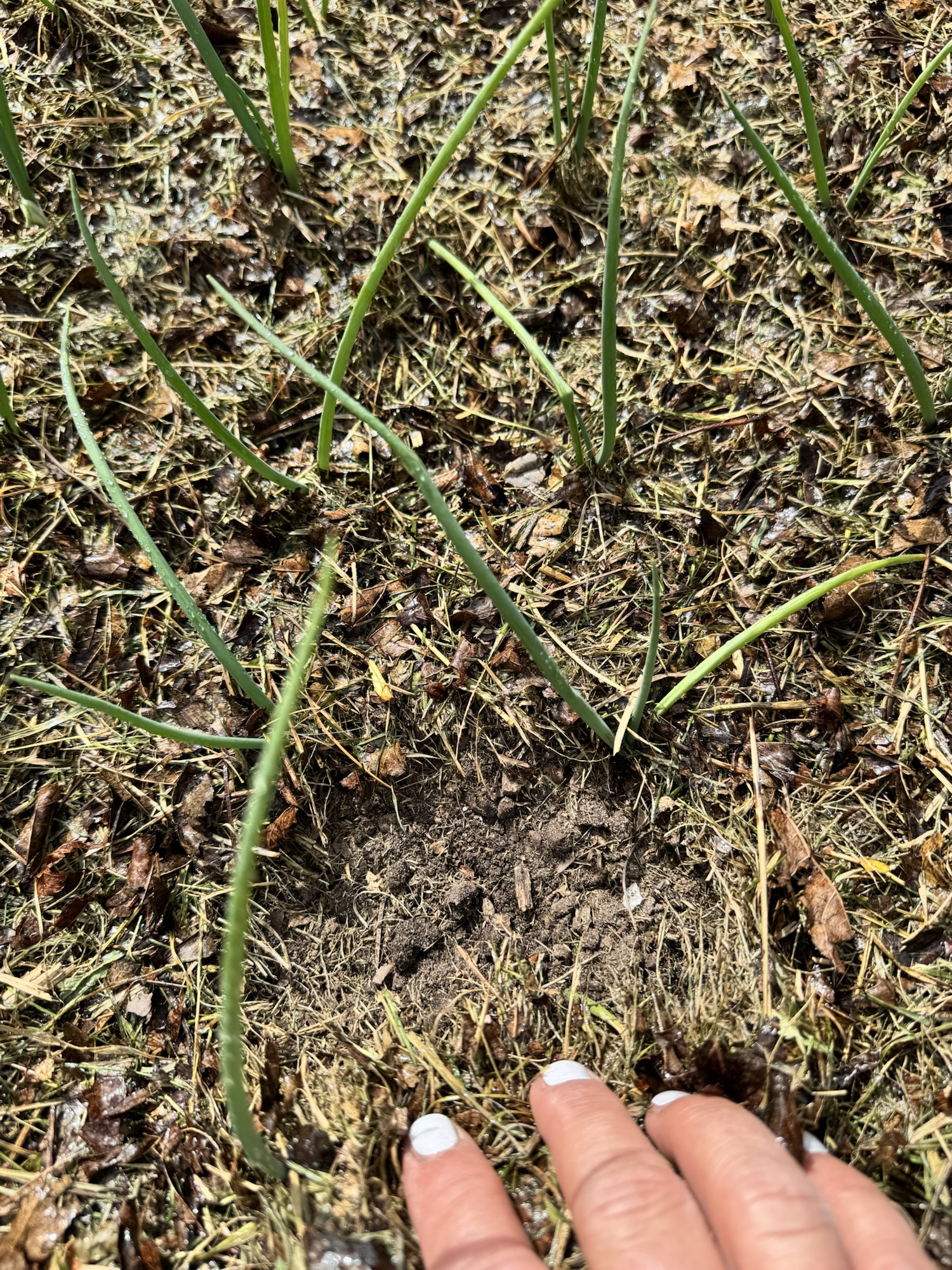
Each year, once the garden is cleared, we blanket the entire area in leaf and grass mulch. It protects the soil through the winter and slowly decomposes, enriching the earth with organic matter. Come spring, we leave that mulch in place and simply lay the ground covers on top of it. It continues to break down, feeding the soil while the covers keep weeds at bay.
We don’t use any chemicals on our lawn, so when we mow, we collect the clippings, let them dry out in the sun for a couple days, then pile them on top of the ground cover. Those dried clippings eventually sink into the soil, becoming part of its living, breathing system.
3. Woodchips (With a Plan)
Woodchips definitely have their place—but we learned the hard way not to till them into the soil. As they break down, they pull nitrogen from the surrounding soil, which can starve your plants. These days, we use woodchips only on the garden paths and around the edges of new beds.
If we’re planting near them, we simply brush the chips aside, get our crops established, and then push them back once the plants are growing strong. It helps hold in moisture and softens temperature swings.
We don’t use wood chips as a primary mulch inside the garden anymore—but we’ve still got plenty to say about them. Including a little story involving a massive tornado cleanup pile and a guy named Larry. More on that soon.
Regeneration is the Goal
What we’re really doing with all this is giving back to the soil. We take a harvest, and then we let it rest, recover, and regenerate. By keeping the soil covered—whether with fabric or natural mulch—we’re acknowledging its role as a living ecosystem, not just a planting medium.
Your garden is only as healthy as what’s happening underground. So cover it up. Keep it cozy. And let the quiet work of decay and renewal carry on.
A Note on Ground Covers
We’ve been using DeWitt ground cover for years, and it’s held up well through our seasonal rotations. But I’ll be honest—I’m still not sure it’s the best option out there. There are so many types, thicknesses, and purposes when it comes to weed barriers and ground fabrics, and I’m currently digging deeper (pun intended) to learn more.
I’ll be reaching out to DeWitt soon to get some answers, and I’ll share what I find. In the meantime, if you’ve got experience with ground covers you love (or hate), I’d really like to hear about it.


Kathy says
I can't wait to hear about Larry! Thanks for the post - very informative!