
If your garden stalled out this year, you're not imagining things. Ours did too. Especially the peppers and tomatoes. The early fruit set we usually count on just… didn’t happen. And now, finally, we’re seeing new flowers—but it’s definitely a late season this year. Here's what happened in our garden and what we’ve learned about how the extreme temperatures in June likely threw everything off.

Extreme Heat = Early Stress
We had a rapid switch from unseasonably cool weather in late May to extreme heat in early June here in southeast Michigan. That sudden swing isn’t just uncomfortable for us—it’s disruptive for plants too.
Flowering crops like tomatoes, poblanos, and jalapeños are especially sensitive. When the temperatures spike too high—especially when paired with poor nighttime cooling—plants may abort flowers or fail to set fruit altogether. That’s exactly what we saw.
For weeks, we had gorgeous, healthy-looking plants… and almost no fruit. It was deeply frustrating. But it turns out, this is a well-documented response to heat stress, especially when it happens right as flowering begins.
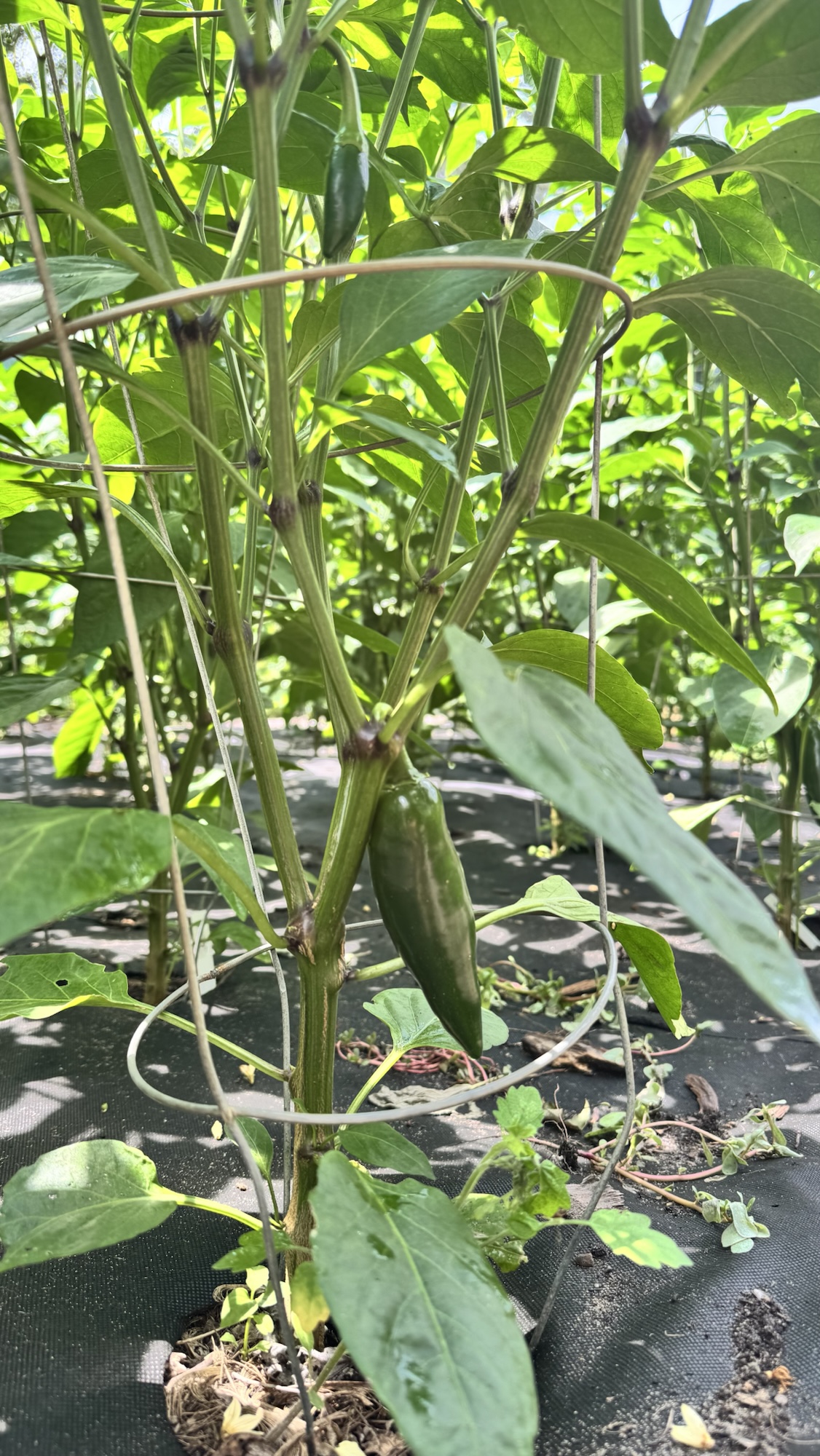

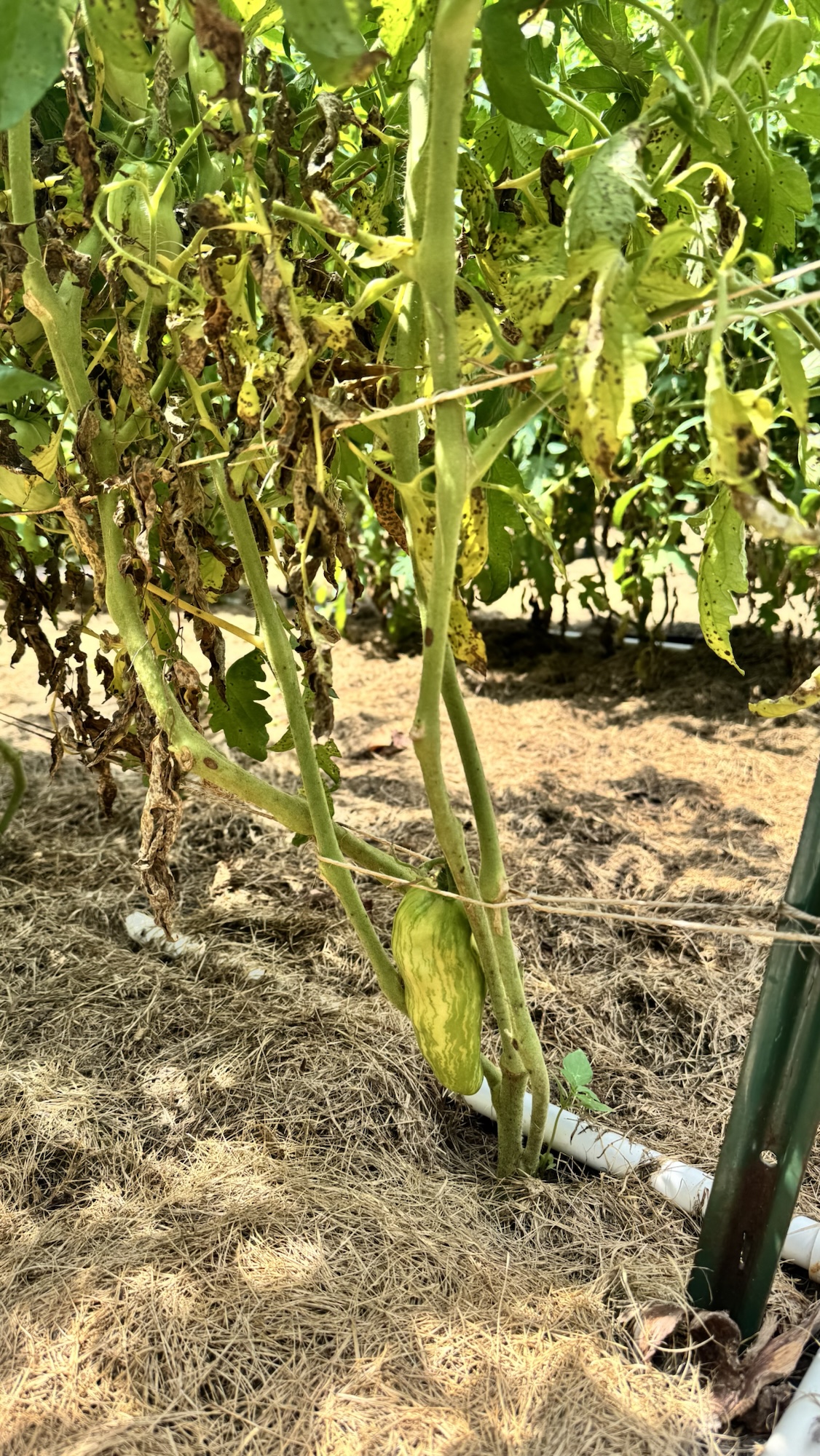


We're not giving up hope—but we’ve adjusted expectations. And we’ve shifted some watering and mulching strategies to help the plants recover and support a strong second wave.
You’re Not Alone
If your garden’s growth has been weird or slow, know this: you're not alone, and it's not your fault.
This article from the University of Delaware Weekly Crop Update breaks it down beautifully. Sudden heat waves during flowering can cause “heat sterility,” especially in nightshades like peppers and tomatoes. Plants may look healthy but fail to produce fruit during these stress periods.
What You Can Do
- Mulch to retain moisture and regulate temps. (We've added a ton of dried grass.)
- Water deeply and consistently—but not constantly.
- Shade plants if possible during peak heat using row cover or shade cloth.
- Avoid over-fertilizing—too much nitrogen can lead to leafy growth but fewer flowers.
- Be patient—a second flush of flowers can still lead to a decent harvest. (Our plants are beginning to bounce back with a bunch of new blooms.)
Closing Thoughts
We grow food to feed ourselves, but also for joy, for rhythm, for wonder. A weird year like this can mess with that joy (just a little) so it helps to remember: it’s not just you. The climate’s changing. And while we adapt our methods, we also adapt our expectations.
If you're seeing the same strange timing or low yields, let us know in the comments or on social. Let's crowdsource some hope for the late season.
Kathy says
It's not just the plants - I think I have Heat Sterility too!