I’ve been smoking vegetables for almost 20 years now. It all started with one of those small round charcoal grills—you know the kind. I’d build a tiny fire on one side, then place peppers on the opposite side to avoid direct heat. It was scrappy, inconsistent, and sometimes things got burned. But the flavor? Unmistakable. That early setup taught me something: real smoke transforms vegetables.
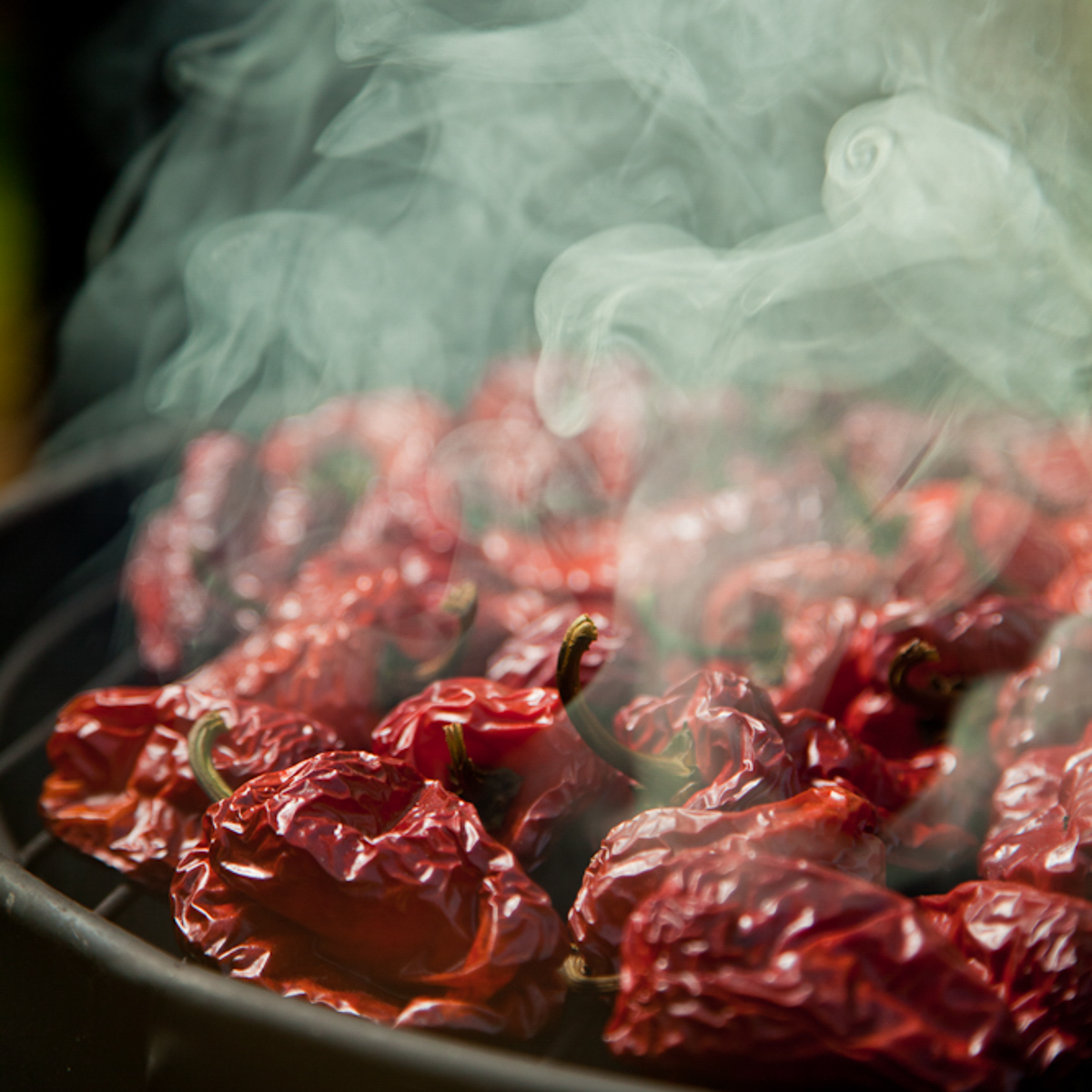
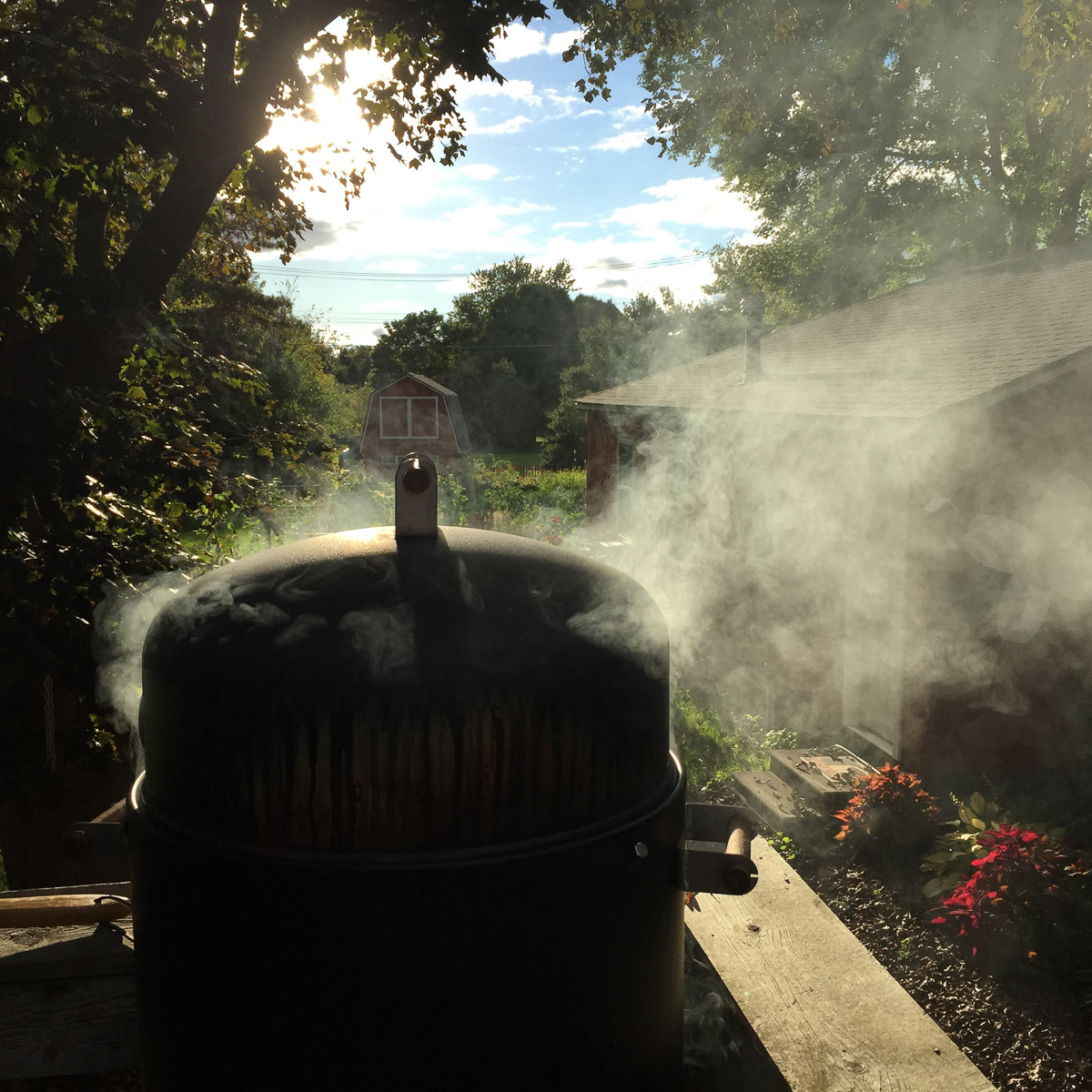
Over time, I graduated to something a little more ambitious—my double Brinkmann smoker. Both units were secondhand (or maybe free?), and they’ve served me faithfully for years. They're seasoned beautifully now. I’ve stacked one Brinkmann on top of the other, creating a vertical smoking chamber that works surprisingly well. Hanging inside is a four-tier rack system that gives me plenty of room to load up tomatoes, peppers, and whatever else I want to smoke that season.
My Smoking Setup
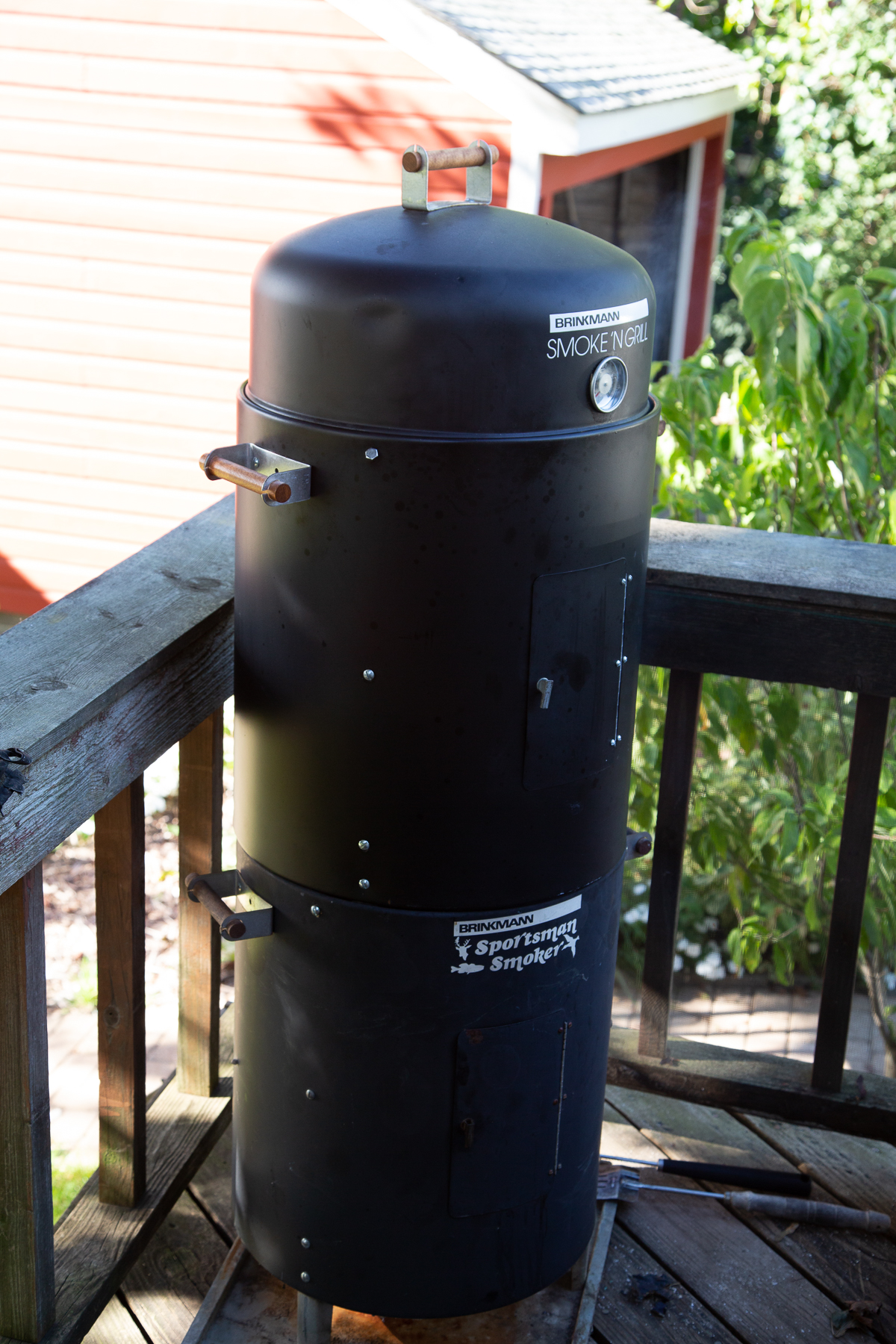
- Smoker: Double-stacked Brinkmann smokers, modified to hold a vertical four-tier rack.
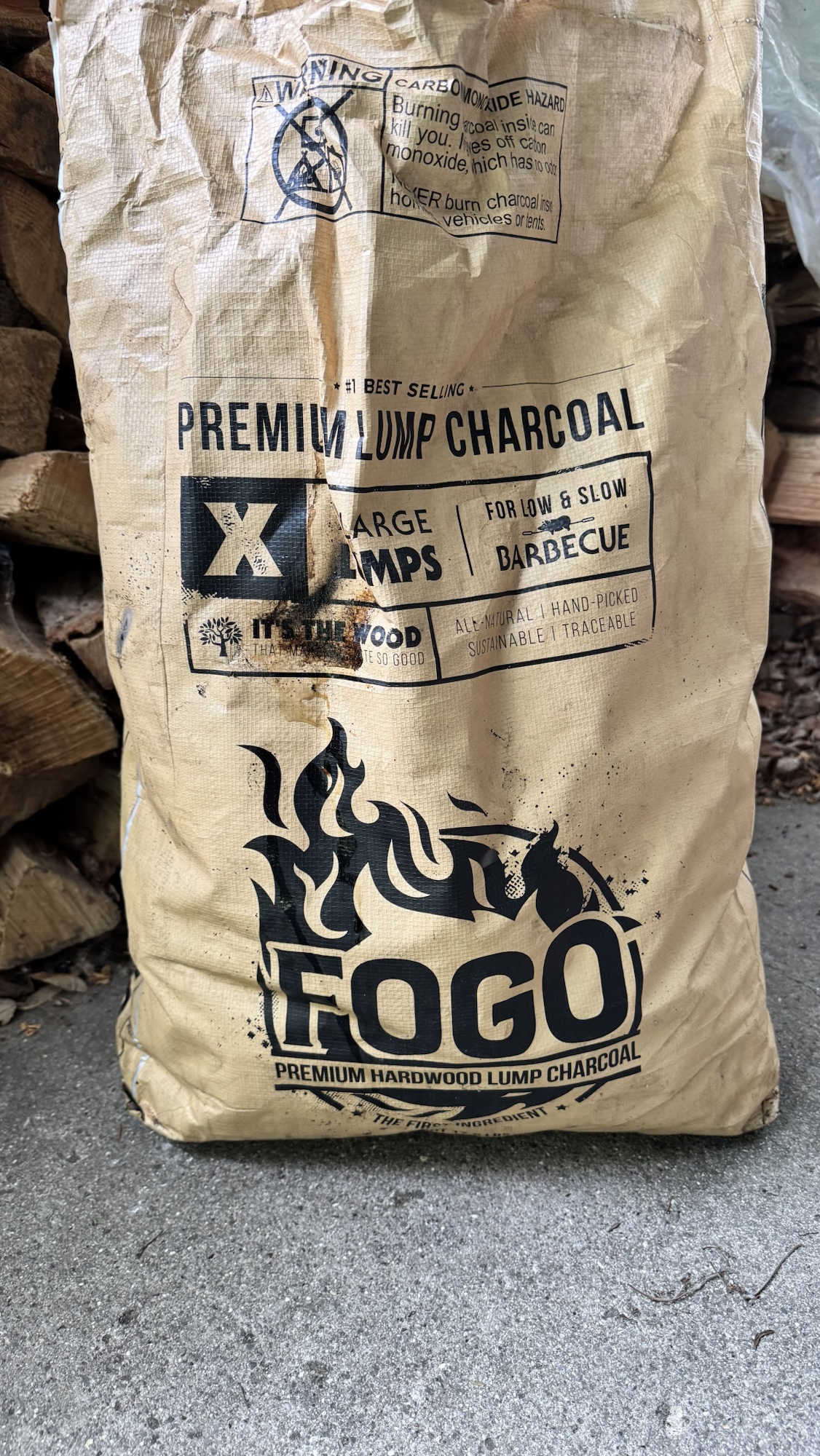
- Charcoal: I use lump hardwood charcoal—it burns long and slow. I use Fogo, but it doesn’t matter what brand, the key is that it’s natural and doesn’t have added fillers.
- Wood Chunks (not chips):
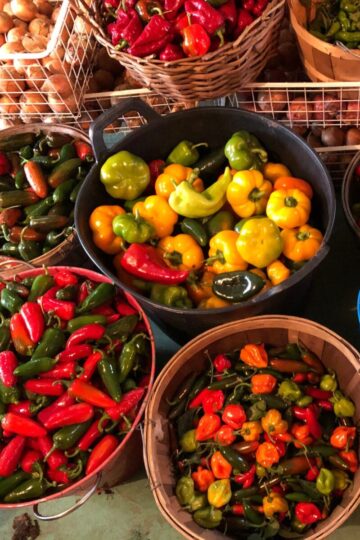
- Cherry & Apple wood for sweet peppers and paprika peppers (which I grow myself).
- Hickory or Mesquite for tomatoes, for deeper, bolder smoke.
- I place a pan in the base of the bottom Brinkmann to hold the charcoal and get it going using a chimney starter. Once the coals are going, I toss in a couple wood chunks. Every hour or so, I check the fire, add another chunk of wood, and sometimes top it off with a bit more charcoal to keep it going.
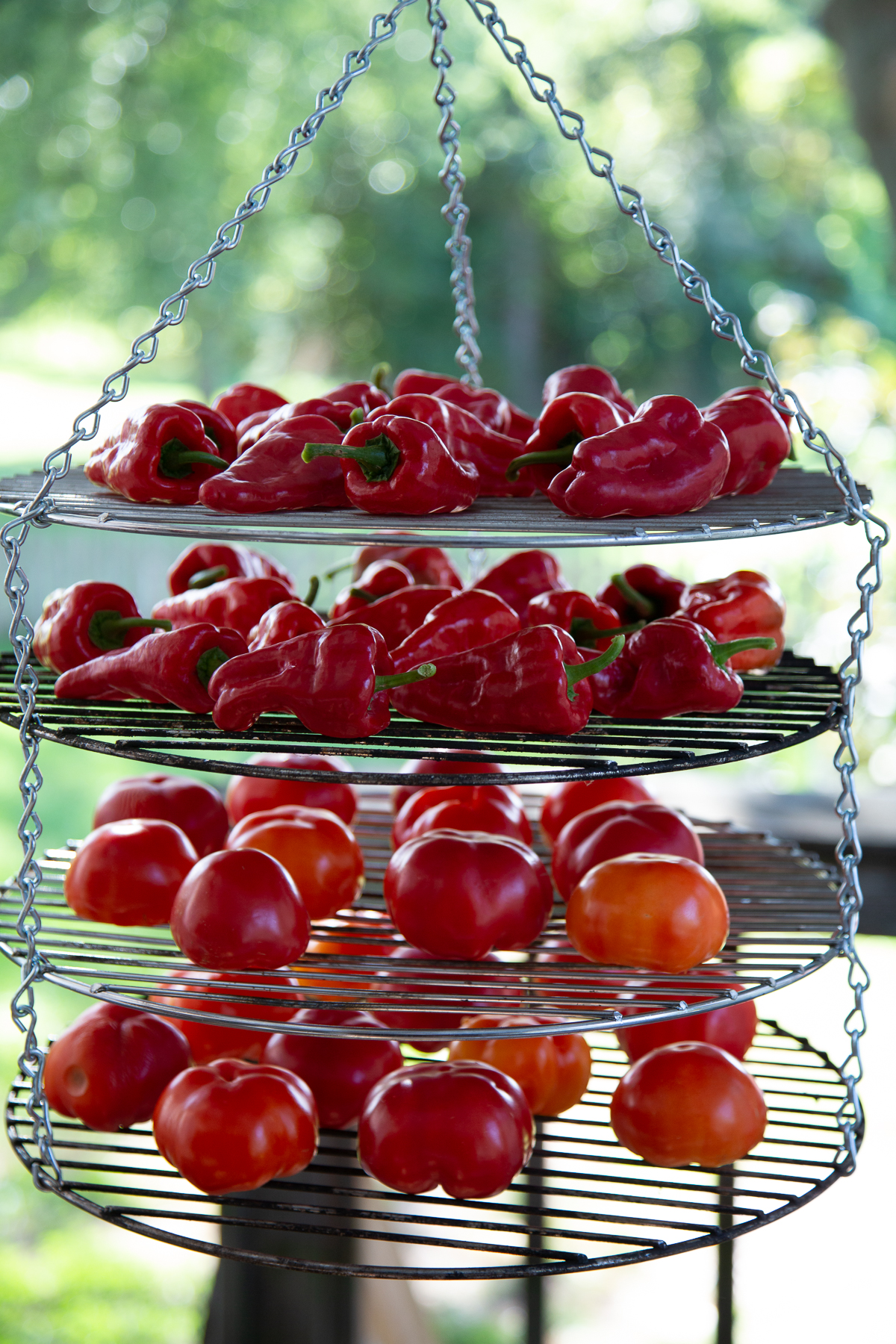
This process goes on for a full weekend. I might do cherry tomatoes, Roma tomatoes, jalapeños for chipotle, and sweet paprika peppers all in one smoking session. It’s work, but it’s joyful work. When it’s over, I’ve got everything I need for smoky tomato juice, house-made smoked paprika, and spicy chipotle powder for the rest of the year.
What I Smoke and How I Use It
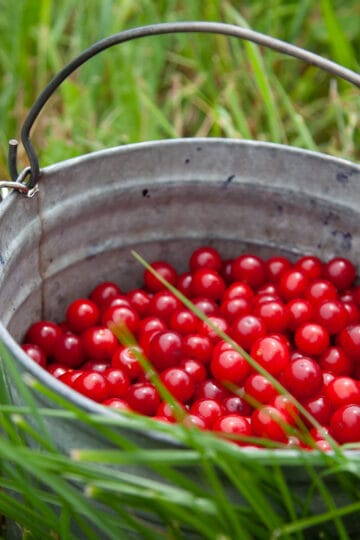
- Cherry Tomatoes: Smoked in shallow pans (sometimes perforated pans set over foil). Once smoked, I run them through a food mill (KitchenAid attachment) to remove seeds and skins. The resulting juice is frozen in three-cup containers and used in everything from tofu bacon to soups.
- Roma Tomatoes: Cut in half, sprinkled with garlic or onion powder (no oil), smoked for 3–4 hours, then finished in a dehydrator. You can also freeze them straight from the smoker, but I prefer the flavor layering you get from rehydrating with broth.
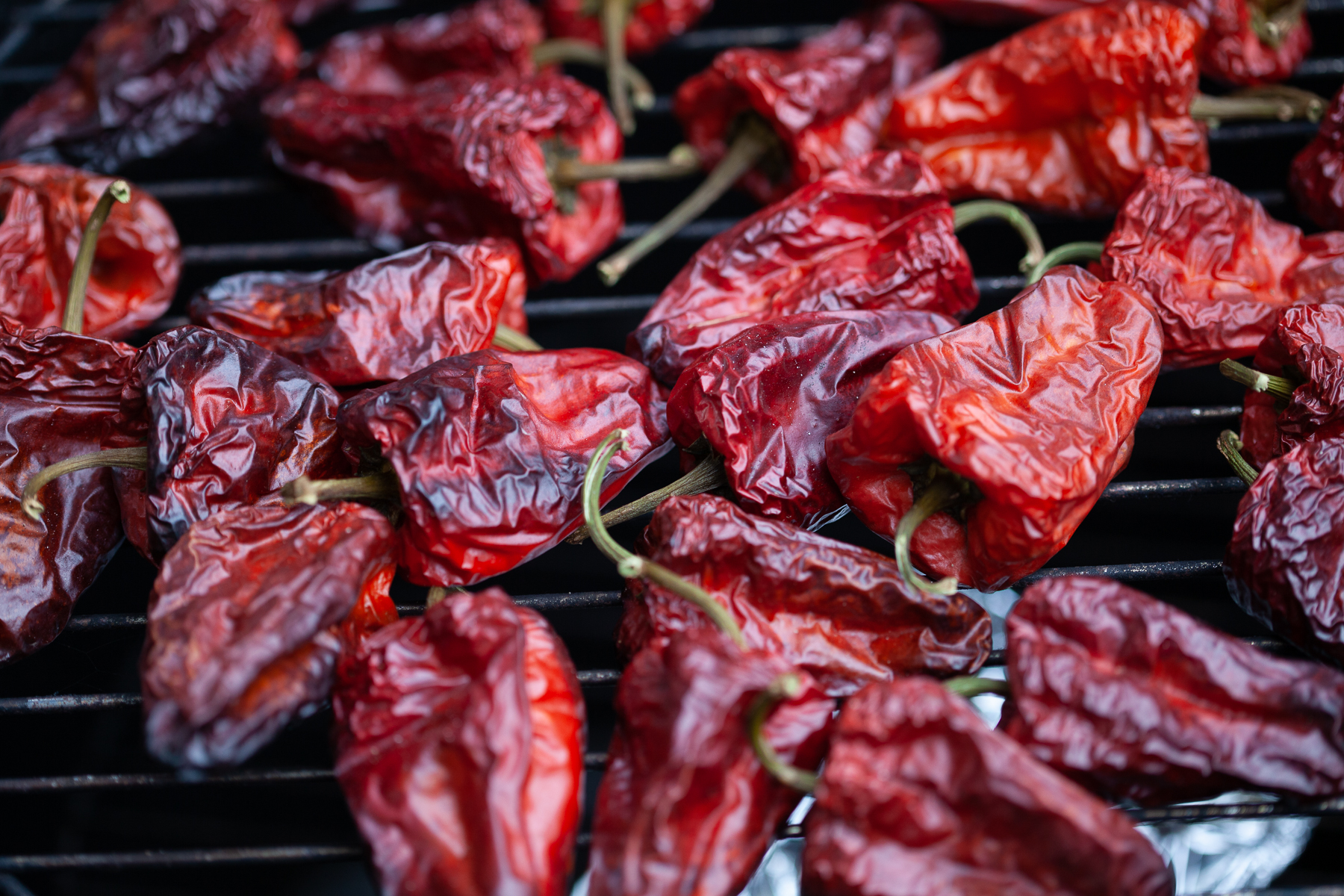
- Paprika Peppers: No seasoning. Just smoke them whole or halved, then dehydrate and grind into powder.
- Chipotle: Jalapeños smoked whole or halved, then dehydrated and ground. The flavor is intense and miles better than anything store-bought.
What If You Don’t Have a Smoker?
You can still get some of that smoky goodness with these alternative methods:
1. Oven-Roasted with Smoked Flaked Salt
A super-simple method using what people already have at home. Roast halved cherry tomatoes at around 300–400 °F with olive oil and smoked flaked salt until they collapse and concentrate.
2. Stovetop / Wok Smoke Method
Perfect for those without outdoor smokers. What you described—using rice, tea leaves, sugar, and wood chips inside a wok or Dutch oven—is a classic technique.
More HERE
3. Quick Flame-Smoking on the Gas Range
Ideal for people with a gas burner and a wire rack. You char tomatoes directly over flame, developing fast, intense smoke flavor in under a minute.
Bonus: Smoked Tomato Confit (Indirect Oven/Grill Smoke)
For maximum flavor infusion, consider smoked confit: slow-cook tomatoes in oil, garlic, and herbs, then bubble-smoke with a piece of hot charcoal in a covered pan.
No Dehydrator? No Problem.
You can dehydrate smoked tomatoes or peppers in a standard oven:
- Set your oven to its lowest temperature (around 170°F).
- Place smoked vegetables on parchment-lined trays.
- Prop the oven door open slightly to let moisture escape.
- Let them dry for 4–8 hours, until leathery but not brittle.
Do You Need a Food Mill?
Not absolutely, but for cherry tomatoes it makes a world of difference. I use the KitchenAid food mill attachment, and it turns a smoky pan of tomatoes into silky, seedless tomato juice in minutes. If you don’t have one, any food mill will do—or you can leave the skins in. But for those who love a clean texture, it’s a worthy tool.
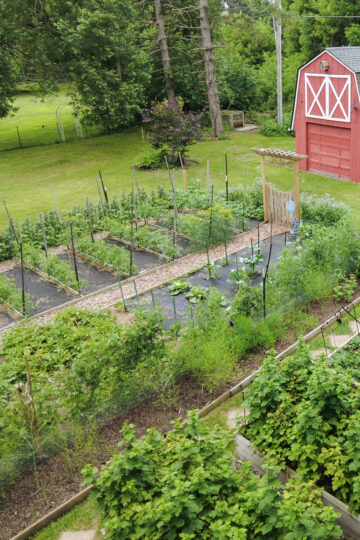
This is the way I preserve summer. A weekend of tending the smoker means I’ve got jars and containers of deep, rich, homegrown flavor ready for the rest of the year. And when I reach for my smoked paprika or cherry tomato juice in January, I get to taste July all over again.
Feel free to adapt. Experiment with woods. Try new peppers. But once you start smoking your vegetables, you’ll never go back.